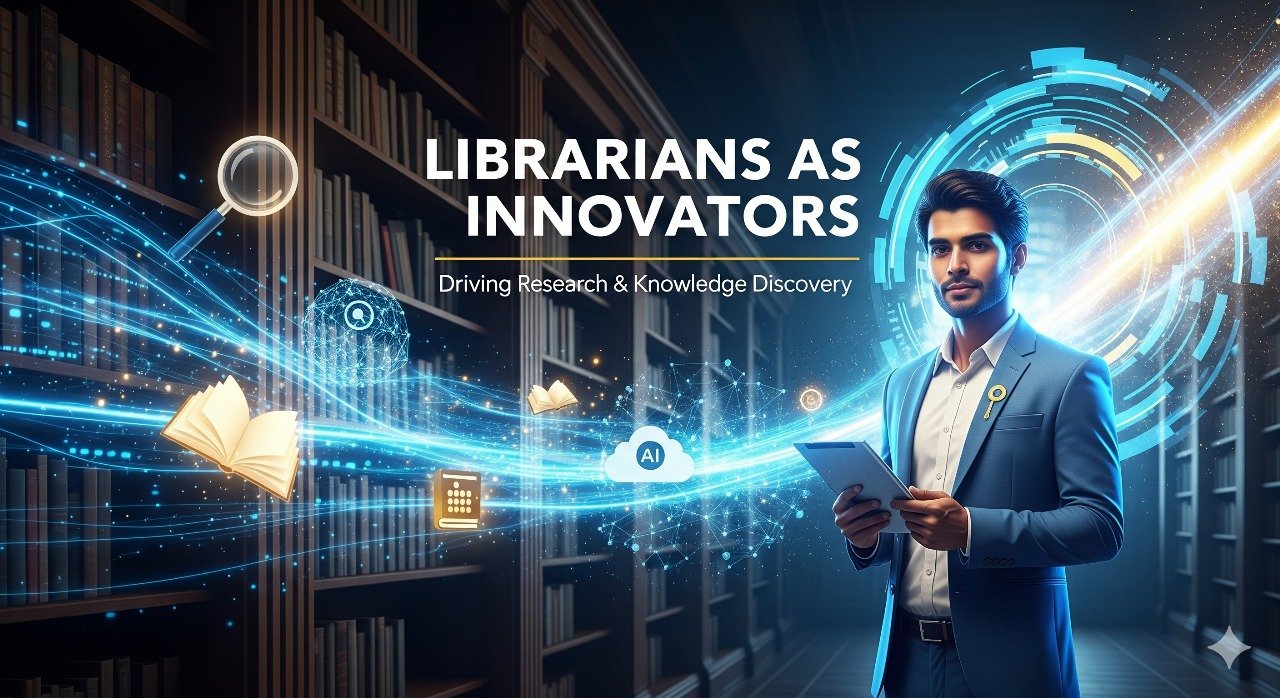
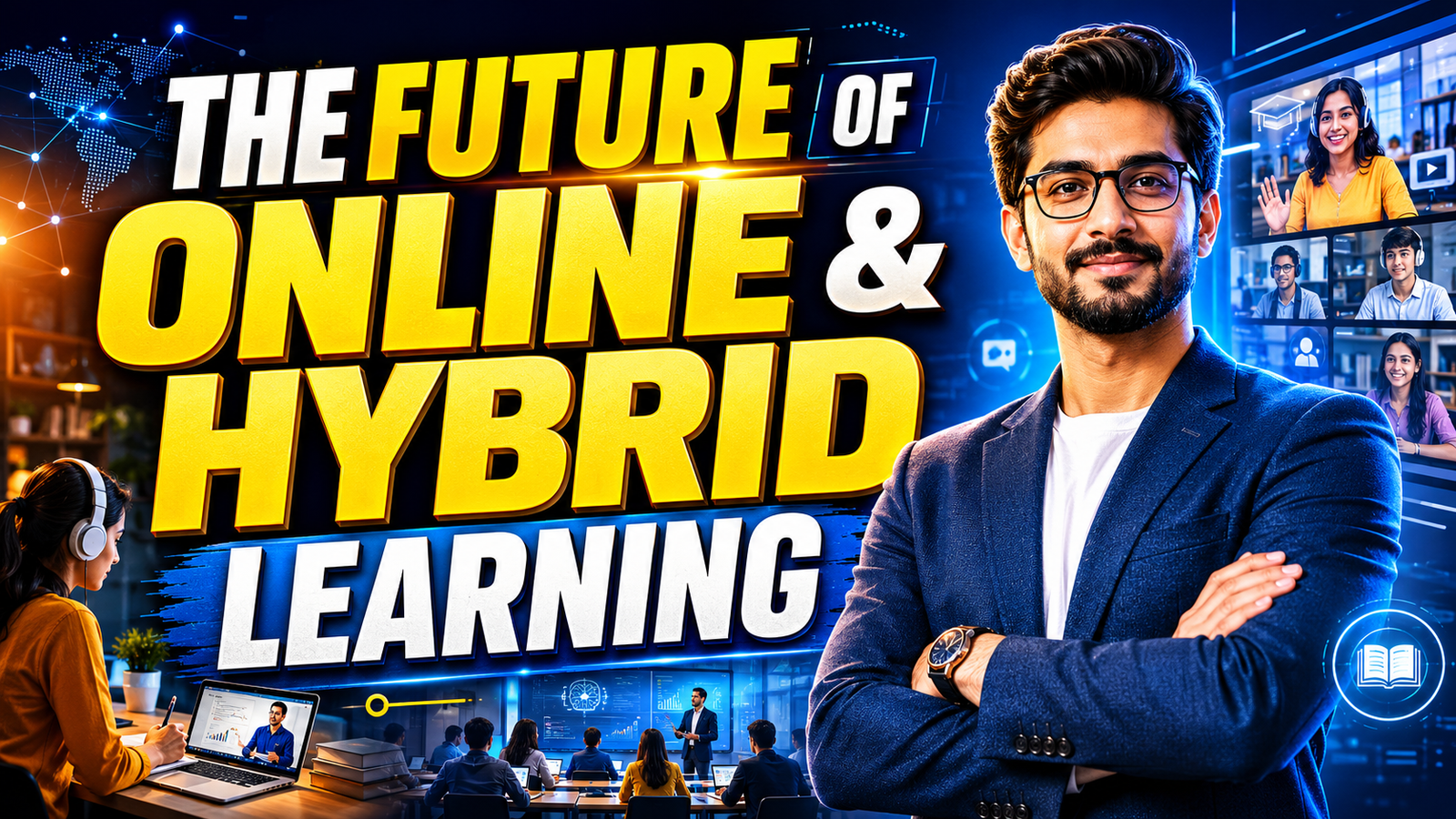
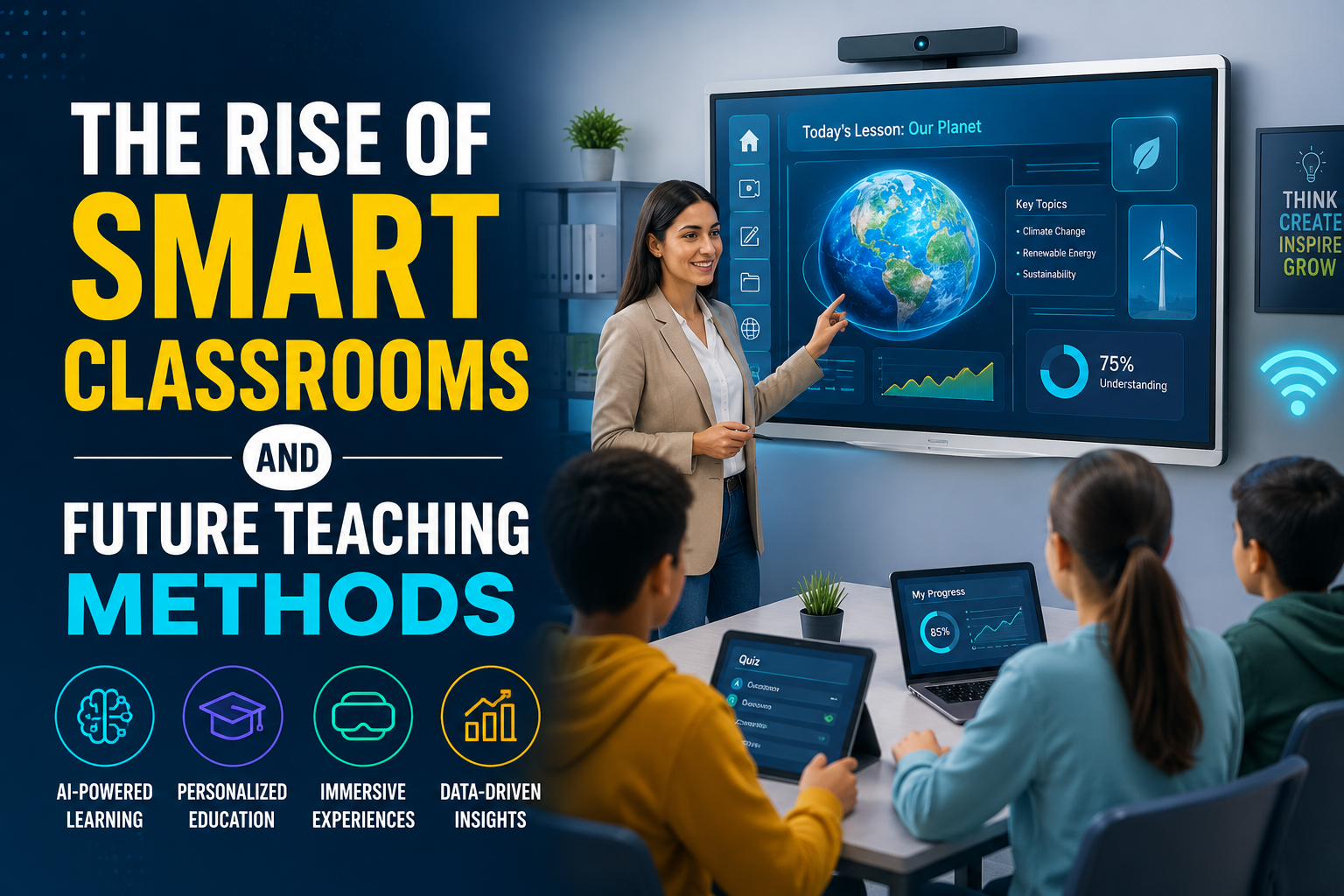
Online and hybrid learning have transformed education by making learning more flexible, accessible, and personalized than ever before. As technology continues to evolve, these learning models are becoming permanent features of modern education. Explore the benefits, challenges, emerging technologies, and future trends that are shaping the next generation of teaching and learning. The Future of Online and Hybrid Learning Introduction Education has undergone a remarkable transformation over the past decade, driven by rapid advancements in digital technology. The emergence of online learning platforms, virtual classrooms, and digital educational resources has reshaped how students access knowledge and how educators deliver instruction. The COVID-19 pandemic accelerated this shift significantly, forcing schools, colleges, and universities worldwide to adopt remote learning solutions almost overnight. What began as a temporary response to an unprecedented crisis has evolved into a long-term educational strategy. Today, online and hybrid learning models are no longer considered alternatives to traditional education; they are becoming essential components of the future learning landscape. As technology continues to advance and learner expectations change, online and hybrid learning are poised to play a central role in creating more flexible, inclusive, and effective educational experiences. Understanding Online and Hybrid Learning What is Online Learning? Online learning refers to educational experie








.png)


















.png)